We led a studio at the Amsterdam Academy of Architecture earlier this year. The premise of the studio was to use typology to question spatial injustice, not resolve it. Typology is usually taught as a shortcut, pick a type, apply it, move on. We built this studio to do the opposite.
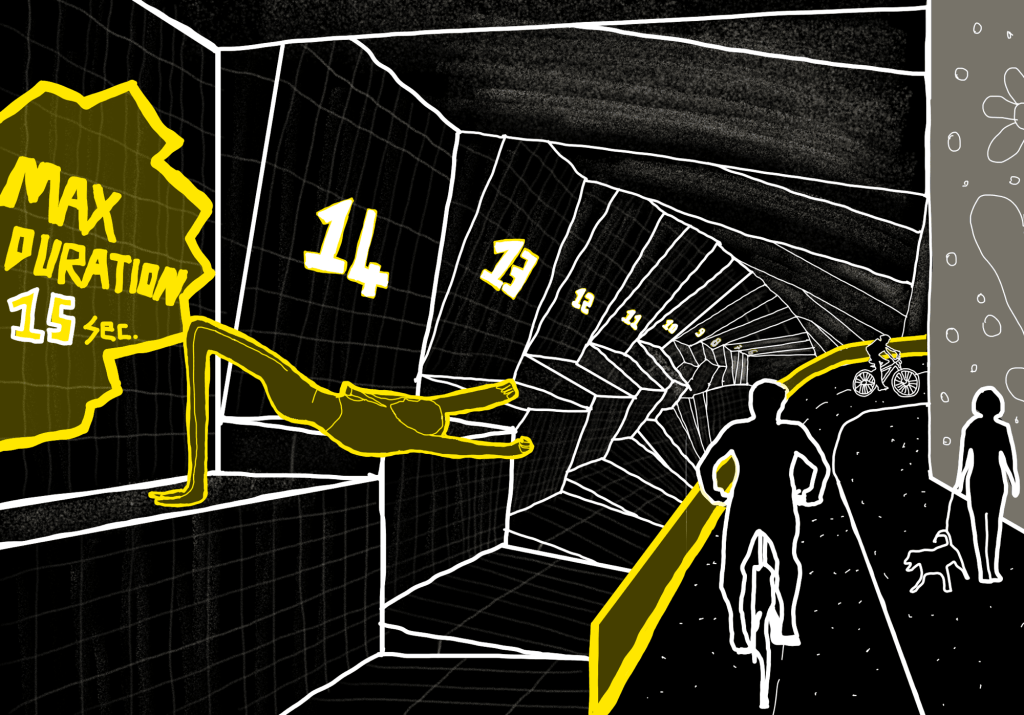
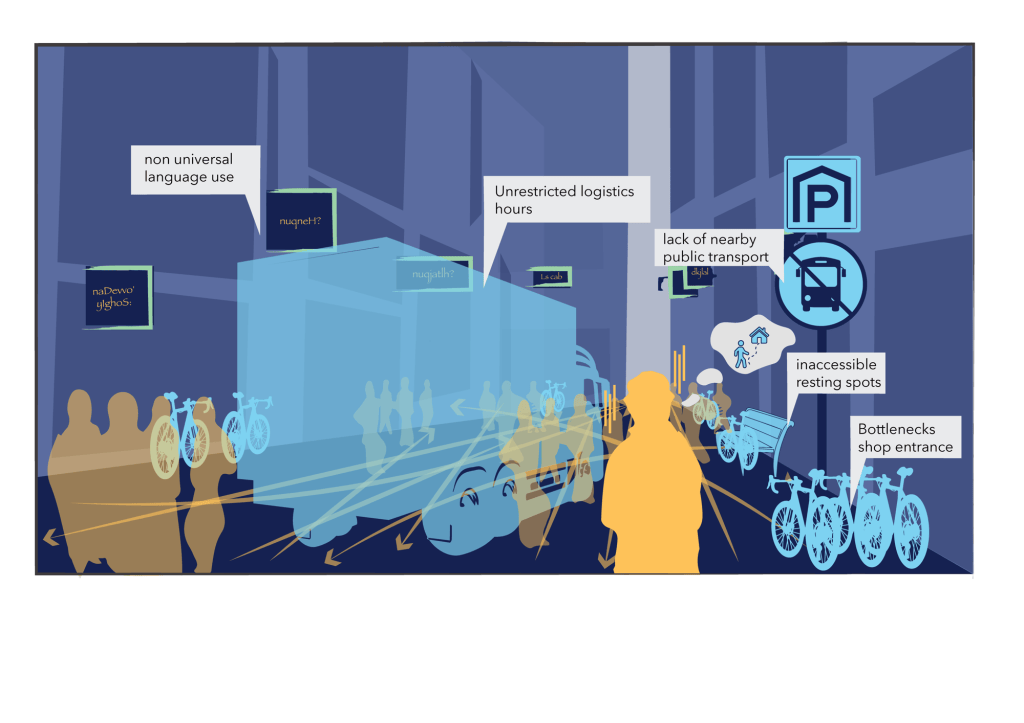
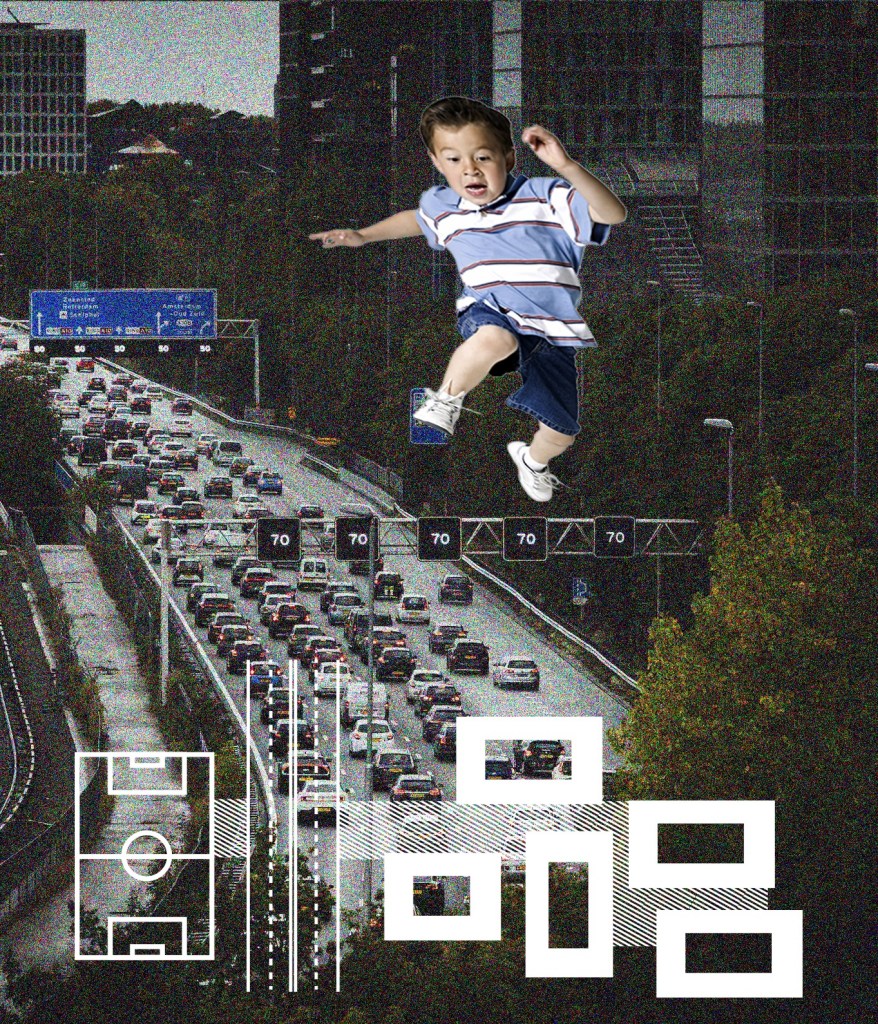
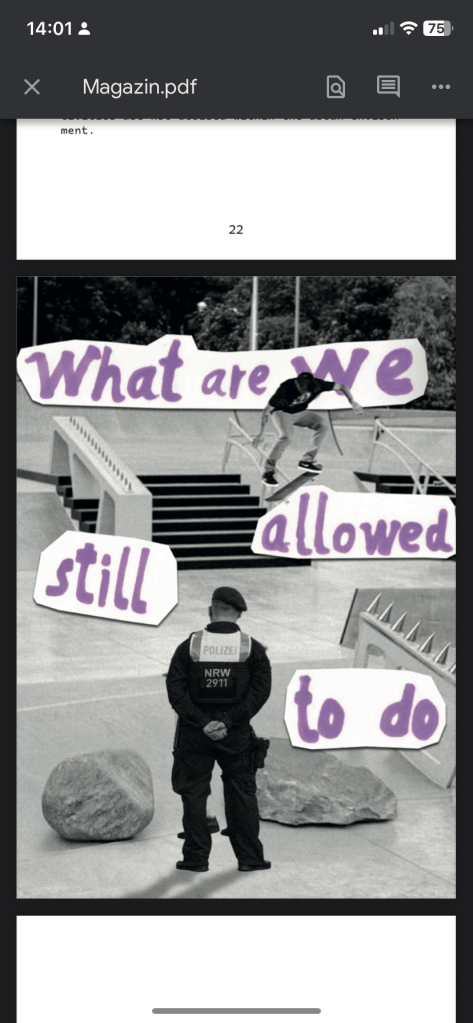
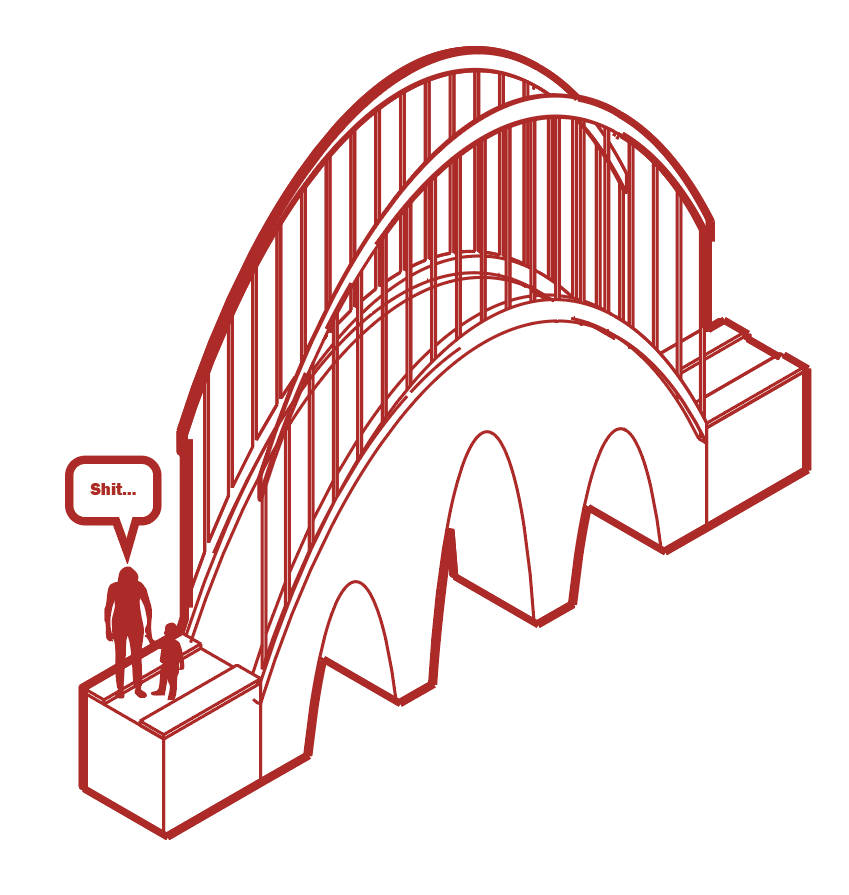

We asked students to hold two roles at once: designer and city inhabitant. Both roles carry privilege, vulnerability, and lived experience into the work.
The method
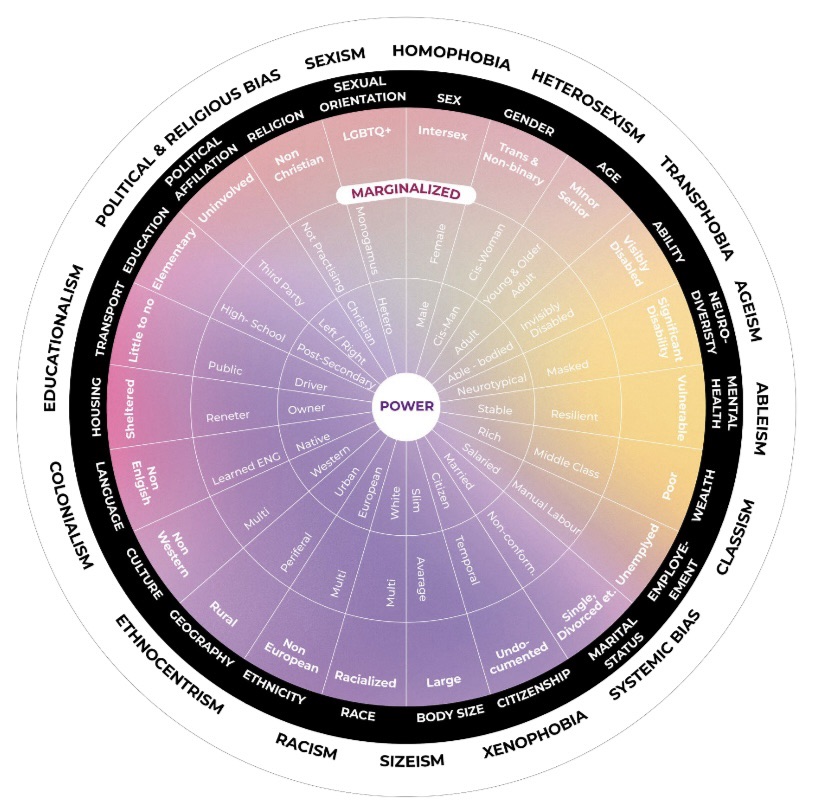
Students mapped their own positionality using a wheel of privilege and power, adapted from Sylvia Duckworth’s model. Skin colour. Wealth. Citizenship. Housing status. We wanted these named plainly, not abstracted away.
From there, each student picked a spatial condition tied to that positionality. A border. A threshold. A corridor. A connection. Something they already moved through in Amsterdam.
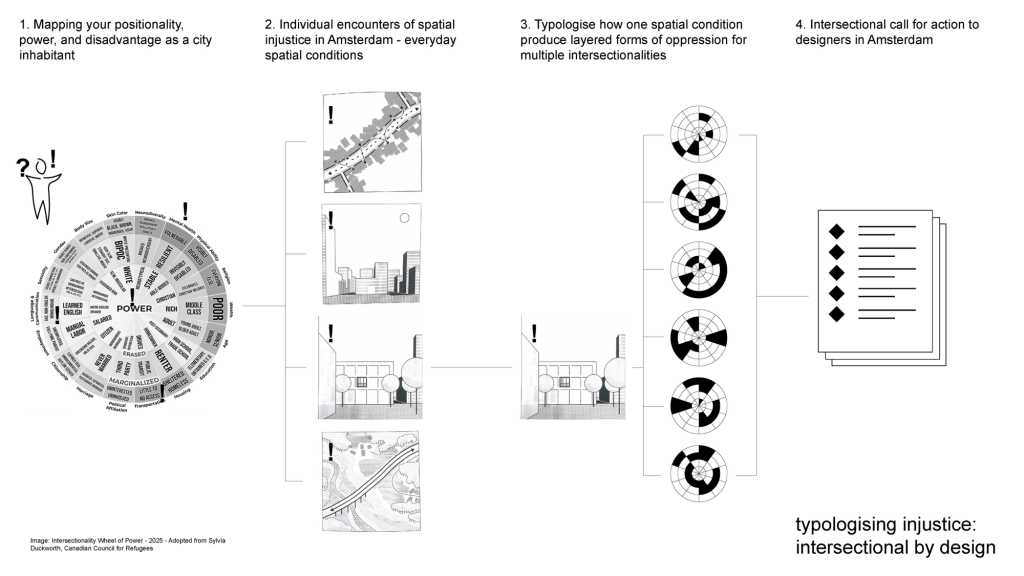
Each condition was tested against several marginalised positions on the wheel, exposing how the same spatial condition could fail different people in different ways.
The output
Each student built a typology of injustice around one spatial condition, checked against multiple positionalities.
The studio closed with an intersectional call to action addressed to designers working in Amsterdam.
We grounded the studio in Sasha Costanza Chock on design justice, Kimberlé Crenshaw on intersectionality, and Edward Soja on spatial justice.
We are proud of the students for their courage and critical thinking through such an experimental, confronting exercise.
Student Feedback Highlights
Students have shared overwhelmingly positive responses, noting this as their first dedicated space to pause, think, and reflect deeply on design practices. They appreciate shifting from solution-focused design to critical approaches that question how spaces like borders, thresholds, and corridors perpetuate exclusion across identities such as race, gender, class, and disability.
Challenges and Rewards
Critical design proves emotionally laborious and challenging, demanding self-reflection via privilege wheels and peer exchanges on positionality. Yet, students find it profoundly rewarding, as intersectional perspectives broaden their understanding of how spatial design yields vastly different consequences for diverse needs and identities. Typologies reveal layered oppressions in everyday Amsterdam spaces, paving the way for truly intersectional manifestos and calls to action on designers.
 Justice by Design